5 Essential Decompression Tips for Essential Workers
Updated: Sep 11
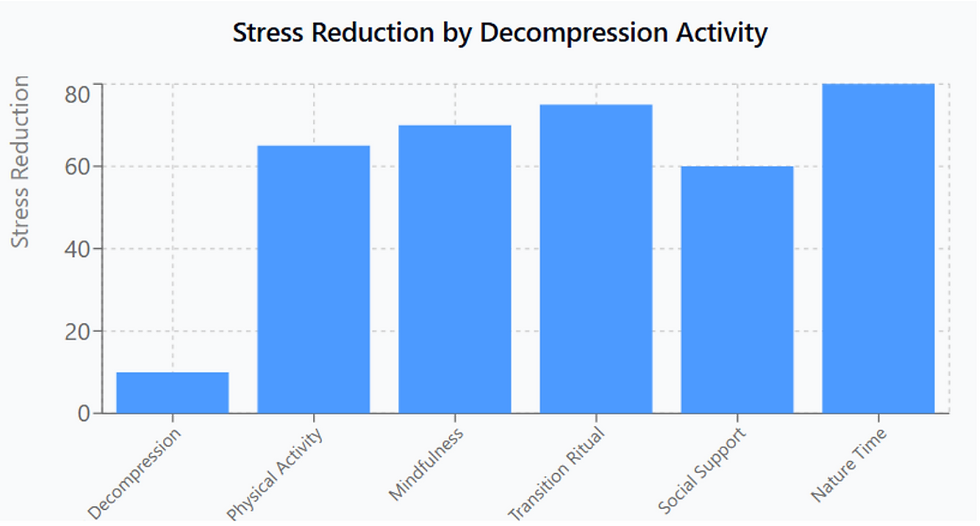
1. Create a Transition Ritual (5-10 min)
Take a few minutes before leaving work to mentally close out your shift. This could be writing down tomorrow's tasks, practicing deep breathing, or simply sitting quietly.
"The ritual helps your brain register that work mode is ending and home mode is beginning."
2. Physical Reset (10-15 min)
Change clothes completely, take a quick shower if possible, or do light stretching to physically signal the transition from work to home.
"Your body stores stress physically - movement and changing your physical state helps release it."
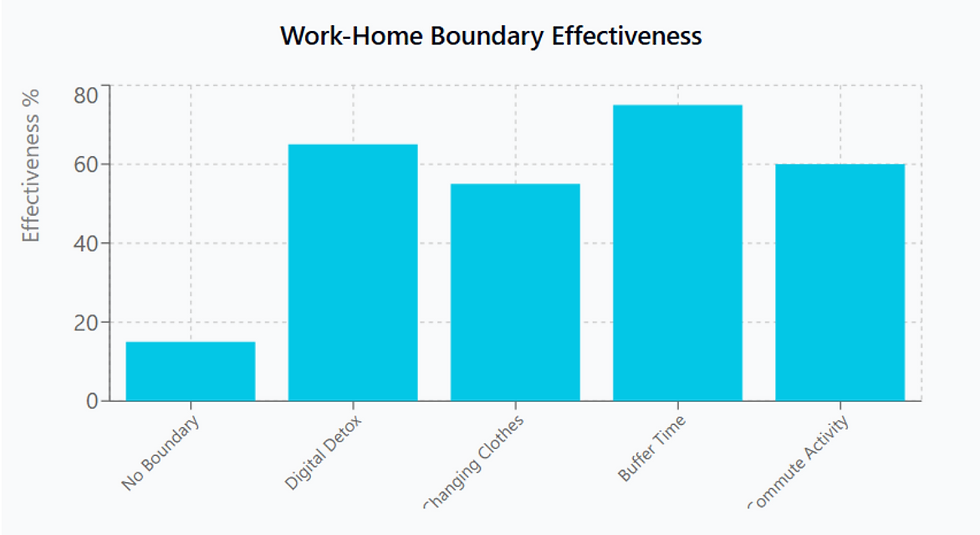
3. Buffer Zone (15-20 min)
Stop somewhere between work and home - a park, coffee shop, or even your car. Use this time to decompress before engaging with family.
"This creates a mental space between work stress and home life."
4. Digital Disconnect (30+ min)
Put away work phones and avoid checking work email for at least 30 minutes after your shift. Set clear tech boundaries.
"Constant connection keeps your brain in work mode even when you're physically home."
5. Arrival Communication (1 min)
When first arriving home, briefly let family know what you need - whether it's 10 minutes alone or immediate connection. This sets expectations.
"A quick check-in prevents misunderstandings about your initial mood or needs."
About Responder Health
Responder Health is a first responder health and wellness program dedicated to law enforcement mental health and the behavioral wellness of firefighters, EMS personnel, and their families. First responder family support is a core part of that mission — because no one carries this work alone. Through a peer support program, mental health resources, and a commitment to first responder wellness, Responder Health works to make sure no first responder faces their hardest moments alone. If you or someone you know is struggling — whether with grief, burnout, or the invisible weight of the job — reaching out to a mental health hotline is one of the most important steps you can take. Trained peer advocates are available around the clock. Call the Responder Health 24/7 Peer Advocate Hotline at 253-243-3701 — available 24 hours a day, 7 days a week.




Comments